Understanding the Costs of Sober Living Homes: Are They Free?
Explore the costs and financial options for sober living homes. Learn if they are free and what factors influence their pricing.
Betty Midget14 min read
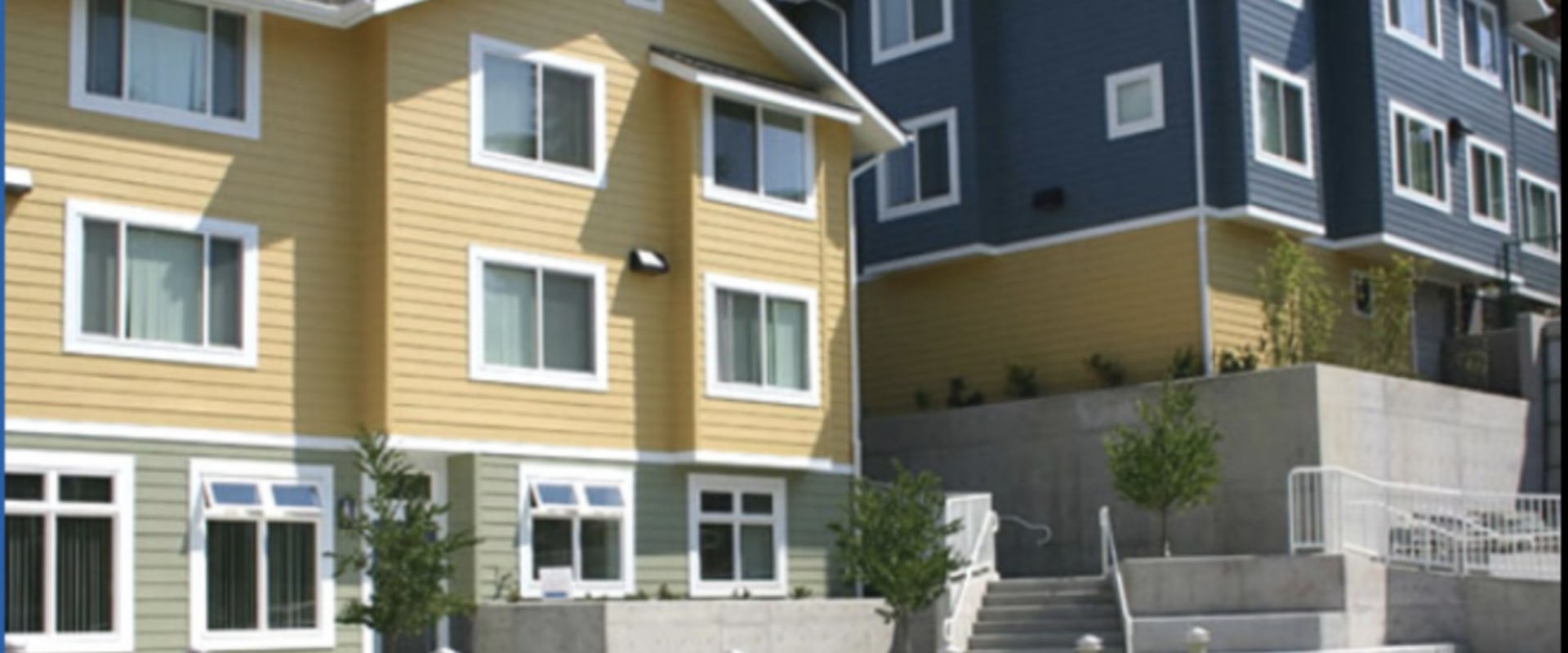
Sober living homes play a crucial role in the recovery journey for individuals overcoming addiction. These residences provide a structured and supportive environment where individuals can transition from intensive treatment programs back into everyday life. Unlike traditional rehabilitation centers, sober living homes focus on fostering independence while maintaining sobriety. They serve as a bridge, allowing residents to practice the skills they learned during treatment in a safe and encouraging setting. At their core, sober living homes are designed to promote accountability and community among residents.
Each individual is expected to adhere to house rules, which often include maintaining sobriety, participating in household chores, and contributing to a positive living environment. This communal aspect not only helps residents build relationships with others who share similar experiences but also reinforces the importance of support systems in recovery. While the primary goal of sober living homes is to aid in recovery, it is essential to understand the financial implications associated with these facilities. Many people wonder, "Are sober living homes free?" The answer is generally no; most sober living homes require residents to pay rent and cover their living expenses. However, costs can vary significantly based on location, amenities, and the specific policies of each home.
Understanding these financial aspects is vital for anyone considering this option as part of their recovery process. In summary, sober living homes are an integral part of the recovery landscape, offering a unique blend of support and independence. They provide a safe space for individuals to continue their journey toward sobriety while preparing for a successful reintegration into society. As we delve deeper into the costs associated with these homes, it becomes clear that while they may not be free, they can be a worthwhile investment in one’s long-term health and well-being.
What Are Sober Living Homes?
Sober living homes are structured, supportive environments designed for individuals recovering from substance use disorders. These residences provide a transitional space between intensive treatment programs and independent living, allowing residents to practice sobriety in a safe and encouraging setting.Unlike traditional rehabilitation centers, sober living homes focus primarily on providing housing rather than formal treatment services. One of the defining features of sober living homes is their emphasis on community and accountability. Residents are typically required to adhere to specific rules and guidelines, which may include maintaining sobriety, attending regular house meetings, and contributing to household responsibilities. This structure fosters a sense of belonging and encourages individuals to support one another in their recovery journeys.
- Shared Living Spaces: Most sober living homes feature shared bedrooms and communal areas, promoting interaction among residents.
- House Rules: Residents must follow established rules, such as curfews and substance-free policies, which help maintain a safe environment.
- Supportive Community: Many homes encourage participation in group activities, fostering camaraderie and mutual support.
- Life Skills Development: Residents often engage in job searches, educational pursuits, or volunteer work to build essential life skills.
Here are some key advantages:
- Enhanced Recovery Support: Living with others who share similar goals can significantly boost motivation and accountability.
- Structured Environment: The rules and routines help residents develop discipline and stability in their lives.
- Access to Resources: Many sober living homes provide connections to local support groups, job placement services, and educational opportunities.
- Safe Space for Relapse Prevention: The supportive atmosphere reduces the risk of relapse by providing a safe haven during vulnerable times.
The Cost Structure of Sober Living Homes
Understanding the cost structure of sober living homes is crucial for individuals seeking recovery. These homes provide a supportive environment for those transitioning from rehabilitation to independent living, but they come with various financial responsibilities. Typically, the monthly rent for sober living homes can range from $400 to $2,000, depending on factors such as location, amenities, and the size of the facility. Urban areas tend to have higher costs compared to rural settings.It's essential to research local options to find a home that fits your budget while still providing a safe and supportive environment. In addition to rent, residents may be responsible for utilities , which can include electricity, water, gas, and internet. Some sober living homes include these costs in the rent, while others may require residents to pay them separately. It's important to clarify this with the facility before moving in. Other potential fees can include:
- Application Fees: Some homes charge a fee for processing applications.
- Security Deposits: A deposit may be required before moving in, typically equivalent to one month’s rent.
- Household Supplies: Residents might need to contribute to communal supplies like cleaning products and toiletries.
- Program Fees: If the sober living home offers additional services such as counseling or group therapy, there may be extra charges associated with these programs.
However, some facilities may offer flexible payment plans or sliding scale fees based on income. It’s advisable for prospective residents to inquire about any available financial assistance or payment arrangements during the application process. For those who are struggling financially, exploring state-funded programs or local non-profits that assist with housing costs can be beneficial. Additionally, some sober living homes may accept Medicaid , so checking with your insurance provider can also provide insights into potential coverage options. Ultimately, understanding the full scope of costs associated with sober living homes is vital for making informed decisions about recovery and ensuring a smooth transition back into independent life.
Are Sober Living Homes Free?
When considering the question of whether sober living homes are free, it’s essential to understand the financial structure of these facilities. Generally, sober living homes are not free; they operate similarly to rental properties where residents are required to pay rent and cover their living expenses.The costs can vary significantly based on location, amenities, and the specific rules of each home. Many sober living homes charge a monthly fee that can range from a few hundred to over a thousand dollars. This fee typically includes basic housing costs, utilities, and sometimes meals. However, it’s important to note that these homes are designed to be financially independent, meaning they do not rely on insurance or state funding to operate. Despite the general cost associated with sober living homes, there are options available for those seeking affordable sober living. Some facilities offer subsidized programs or sliding scale fees based on income.
These options can make sober living more accessible for individuals who may be struggling financially but still need a supportive environment for recovery. Additionally, various organizations and non-profits provide financial assistance or grants specifically aimed at helping individuals afford sober living arrangements. It’s advisable for prospective residents to research local resources and inquire about any available financial aid programs that could alleviate some of the costs associated with sober living. Furthermore, some states have initiatives that support subsidized sober living homes, particularly for those who have recently completed treatment programs. These initiatives aim to bridge the gap between rehabilitation and independent living by providing affordable housing options that promote sobriety. In conclusion, while most sober living homes are not free, there are various avenues for financial assistance and subsidized options that can help individuals access these vital resources. It’s crucial for those in need to explore all available options and reach out to local support services for guidance.
Factors Influencing the Cost of Sober Living Homes
When considering a sober living home, understanding the various factors that influence its cost is crucial for potential residents.These factors can significantly affect the overall expense and accessibility of sober living options.
Location
plays a pivotal role in determining the cost of sober living homes. Urban areas typically have higher living expenses due to increased demand for housing and amenities. For instance, a sober living home in a major city like New York or Los Angeles may charge significantly more than one located in a rural area. This is often due to the higher cost of real estate, utilities, and local services.
Additionally, the availability of public transportation and job opportunities can also impact pricing, as homes in well-connected areas may attract more residents.
Another important factor is the amenities offered by the sober living home. Facilities that provide additional services such as fitness centers, recreational spaces, or communal kitchens may charge higher rents to cover these costs. Some homes may also offer structured programs that include counseling or group therapy sessions, which can further increase expenses. Conversely, more basic accommodations with fewer amenities will generally be more affordable.
State regulations
also influence costs.
In states where sober living homes are regulated, there may be specific requirements regarding the number of residents, safety standards, and operational guidelines. These regulations can lead to increased operational costs for the homes, which may be passed on to residents in the form of higher rent. Furthermore, some states have programs that provide financial assistance or subsidies for individuals seeking sober living arrangements, which can help offset costs for those who qualify. Lastly, the length of stay can affect overall costs as well. Many sober living homes operate on a month-to-month basis, but some may offer discounts for longer commitments.
Understanding these various factors can empower individuals to make informed decisions about their sober living options and find a home that fits both their recovery needs and budget.
Insurance and Financial Assistance for Sober Living Homes
Understanding the financial aspects of sober living homes is crucial for individuals seeking recovery. While these homes provide a supportive environment for those in recovery, the costs associated with them can vary significantly. One of the most common questions is whether insurance can help cover these expenses.Insurance Coverage for Sober Living Homes
Most sober living homes operate independently and do not accept insurance as a form of payment. This is primarily because they are not licensed treatment facilities; instead, they offer a transitional living environment that encourages sobriety.
However, some residents may find that their health insurance plans cover certain aspects of their recovery journey, such as outpatient therapy or counseling services that can complement their stay in a sober living home.
It is advisable for individuals to contact their insurance providers directly to inquire about coverage options related to sober living. Some plans may offer partial reimbursement for related services, which can help alleviate some financial burdens.
Financial Assistance Programs
For those who find the costs of sober living homes prohibitive, various financial assistance programs are available. Many states have programs designed to support individuals in recovery, particularly those who are uninsured or underinsured. These programs may include:
- State-Funded Recovery Housing: Some states allocate funds specifically for recovery housing initiatives.
These programs often provide subsidized housing options for individuals in need.
- Sliding Scale Fees: Certain sober living homes may offer sliding scale fees based on income, making it more affordable for residents to maintain their sobriety while managing their finances.
- Non-Profit Organizations: Various non-profit organizations focus on addiction recovery and may offer grants or financial aid to help cover the costs of sober living.
Exploring Local Resources
Individuals seeking financial assistance should also explore local resources such as community health centers or addiction support groups. These organizations often have information on available funding and can guide individuals through the application process for state-funded programs. In conclusion, while sober living homes typically do not accept insurance, there are several avenues for financial assistance that can help ease the burden of costs. By exploring these options, individuals can find the support they need to maintain their sobriety and work towards a healthier future.
Alternatives to Traditional Sober Living Homes
While traditional sober living homes provide a structured environment for individuals in recovery, there are several alternatives that may be more affordable or accessible. Exploring these options can help individuals find the right support system tailored to their needs.1.Recovery Housing Programs
Many communities offer recovery housing programs that provide safe and supportive environments for individuals seeking sobriety.These programs often operate on a sliding scale based on income, making them more affordable than traditional sober living homes. Some may even offer free housing in exchange for community service or participation in recovery activities.
2.Transitional Housing
Transitional housing is another viable option for those in recovery. These facilities typically serve as a bridge between rehabilitation and independent living. Residents are often required to adhere to certain guidelines, such as attending support meetings and maintaining employment, which can foster accountability and community engagement.3.Shared Housing Arrangements
For those who prefer a more independent living situation, shared housing arrangements with friends or family members can be beneficial.This option allows individuals to maintain sobriety while enjoying the support of loved ones. Establishing clear agreements about household responsibilities and sobriety expectations is crucial for success in this setting.
4.Community Support Groups
In addition to housing options, community resources play a vital role in supporting sobriety. Local organizations often host support groups such as Alcoholics Anonymous (AA) or Narcotics Anonymous (NA), which provide a network of peers who understand the challenges of recovery. These groups can offer emotional support, accountability, and valuable resources for navigating life after addiction.5.Online Support Communities
The rise of technology has also led to the emergence of online support communities.Websites and forums dedicated to sobriety allow individuals to connect with others facing similar challenges from the comfort of their homes. These platforms can provide encouragement, share coping strategies, and foster a sense of belonging. Ultimately, finding the right alternative to traditional sober living homes involves assessing personal needs, financial situations, and available resources. By exploring these options, individuals can create a supportive environment conducive to long-term recovery.
Success Stories: The Impact of Sober Living Homes on Recovery
Sober living homes have become a beacon of hope for many individuals seeking recovery from addiction. The stories of those who have successfully transitioned through these supportive environments highlight the profound impact that sober housing can have on one’s journey to sobriety. One resident, Jessica , shared her experience of moving into a sober living home after completing a rehabilitation program."I was terrified of going back to my old life, but the structure and support I found in the sober house made all the difference. I learned how to manage my time, set goals, and build healthy relationships. It was a safe space where I could focus on my recovery without the distractions of my past." Jessica’s story is just one of many that illustrate how sober living homes provide not only shelter but also a community that fosters accountability and growth. Another success story comes from Mark , who struggled with substance abuse for over a decade. After entering a sober living home, he found himself surrounded by individuals who understood his struggles.
"Living with others who were also in recovery helped me realize I wasn’t alone. We supported each other through tough times and celebrated our victories together. I got a job while living there, which boosted my confidence and gave me a sense of purpose," Mark recounted. The benefits of sober housing extend beyond just personal stories; they are backed by numerous testimonials from residents who have experienced significant life changes. Many report improved mental health, increased employment opportunities, and stronger family relationships as a result of their time in sober living homes.
These environments often encourage residents to engage in community activities, volunteer work, or educational pursuits, further enhancing their recovery journey. In addition to personal growth, sober living homes often provide resources such as counseling services and life skills training. This holistic approach equips residents with the tools they need to navigate life after addiction successfully. As Sarah , another former resident, put it: "The skills I learned in sober living helped me not just stay sober but thrive in my everyday life. I now have a stable job and am rebuilding my relationships with my family." These narratives underscore the value of sober living homes as more than just transitional housing; they are vital components of the recovery process that can lead to lasting change and fulfillment.
Conclusion: Making Informed Decisions About Sober Living Homes
In conclusion, navigating the landscape of sober living homes requires a comprehensive understanding of both the costs involved and the resources available to potential residents.As we have explored, the financial aspects of sober living can vary significantly based on location, amenities, and the specific regulations governing these facilities. It is crucial for individuals seeking recovery to recognize that while some sober living homes may offer affordable options, most require residents to contribute financially. This often means paying rent and utilities, which can be a challenge for those who are just beginning their journey to sobriety. However, many facilities operate on a sliding scale or offer payment plans to accommodate those in need. Moreover, understanding the difference between sober living homes and treatment centers is essential. Sober living homes provide a supportive environment for individuals transitioning from rehabilitation to independent living, but they do not offer formal treatment services.
This distinction is vital for anyone considering this option as part of their recovery process. Additionally, it is important to explore available resources such as state-funded programs or insurance options that may help alleviate some of the financial burdens associated with sober living. Organizations like SAMHSA can provide valuable information and referrals to assist individuals in finding suitable housing options that align with their financial capabilities. Ultimately, making an informed decision about sober living homes involves careful consideration of personal circumstances, financial obligations, and the specific requirements of each facility. By doing thorough research and seeking guidance from professionals or support networks, individuals can find a sober living environment that not only supports their recovery journey but also fosters a sense of community and accountability. In summary, while sober living homes are not free, understanding the costs and available resources can empower individuals to make choices that enhance their chances of long-term sobriety and personal growth.