What sober living homes?
Switch to Chrome, Edge, Firefox or Safari Also visit the online treatment locator. What is the SAMHSA National Helpline? What are the hours of operation?...
Betty Midget5 min read
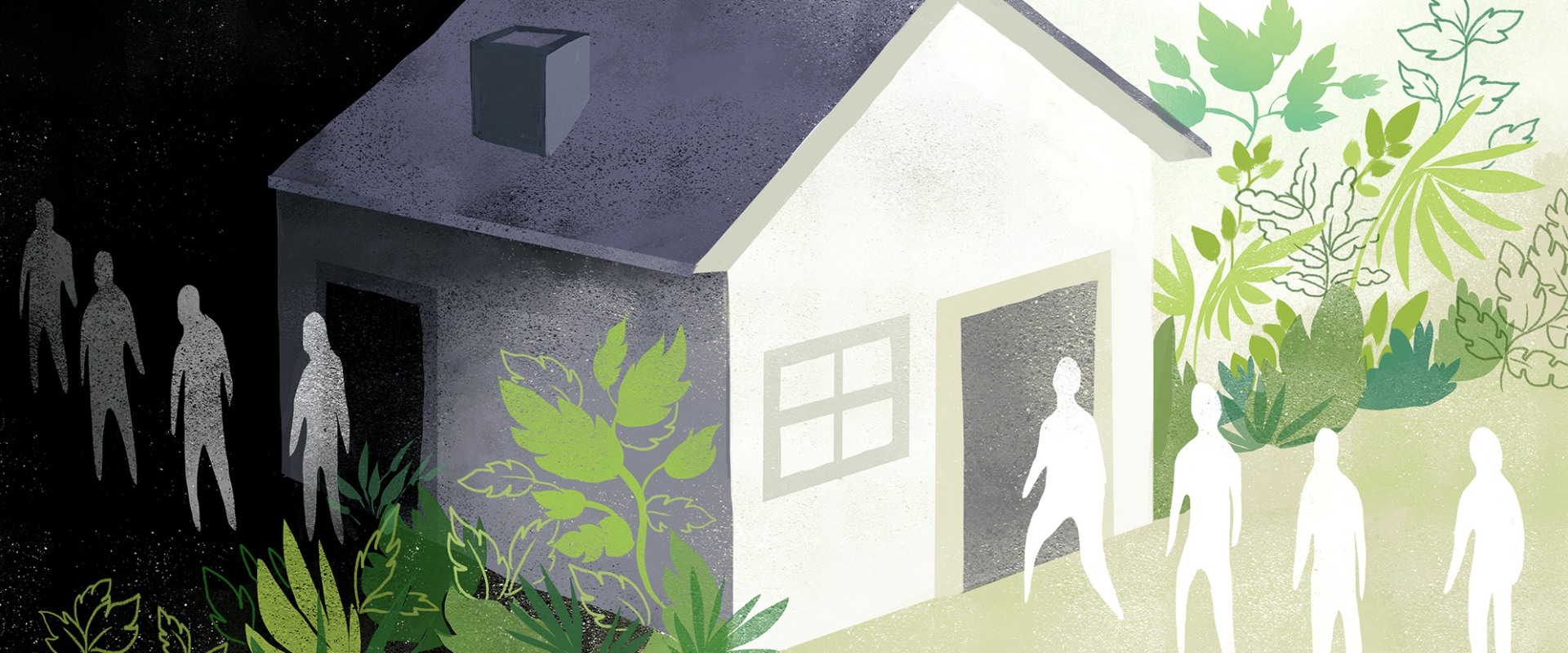
Sober living homes are designed to be the aftercare phase for addicts in the early stages of recovery. These homes provide a sober living environment that supports individuals as they transition from more intensive treatment settings, such as inpatient treatment, to independent living. Sober living homes offer continued support, structure, and accountability, helping residents maintain sobriety, develop self-reliance, and reintegrate into everyday life.
It is important to note the difference between sober living homes and halfway houses. While the terms are often used interchangeably, halfway houses typically serve individuals re-entering the community after incarceration and are often government-run or court-mandated, with residents under the supervision of probation or parole. Residents of halfway houses cannot come and go without approval and are subject to stricter rules and supervision. In contrast, sober living homes are usually a voluntary choice for a person transitioning from inpatient treatment or a treatment program, offering a more flexible, recovery-focused environment. Residents of sober living homes are often encouraged to participate in recovery programs and be actively involved in routines that support their recovery, while halfway house residents may not have such requirements.
The structure and operation of most sober living homes involve both peer support and administrative staff. Administrative staff play a key role in governance, support services, and daily operations, ensuring effective management and compliance with standards. Residents typically follow a daily schedule that includes life skills training, community meetings, and peer support services, all supported by qualified staff and peer workers. This structured approach helps individuals in early recovery build routines and skills necessary for long-term sobriety.
Sober living homes can serve as transitional housing, providing a bridge between formal substance use treatment programs and returning home to independent living. After completing inpatient treatment, many individuals step down to a sober living home before moving to outpatient care or an outpatient program, which offer ongoing support as part of the recovery continuum. Sober living programs and sober living houses emphasize structure, rules, and responsibilities, such as attending house meetings, participating in 12-step programs or other mutual support groups, adhering to curfews, signing in and out, and submitting to random drug and alcohol testing. Violating house rules may result in termination of residency.
A person who is a good fit for a sober living home is typically someone who is committed to remaining abstinent, willing to be involved in recovery routines, and seeking a supportive recovery community. Residents must remain abstinent from all substances and are often required to attend house meetings and participate in recovery activities. The recovery community within sober living homes provides peer support, accountability, and encouragement, which are critical for maintaining sobriety and facilitating the transition back to everyday life.
The National Alliance for Recovery Residences (NARR), a national association, categorizes recovery residences into four levels, ranging from fully peer-run homes to highly structured residences with clinical services. Oxford Houses are an example of level-one sober living homes, known for their low structure and peer-led environment. Most sober living homes are privately operated and recovery-focused, offering more flexibility and peer support than halfway houses.
Living arrangements in sober living homes often include shared or semi-private room configurations to keep costs affordable. Residents typically pay for their room and board, participate in household chores, and may work to pay their residence fees. Many sober living homes offer help finding employment as part of their support services. The cost of sober living homes typically ranges from $500 to $900 or more per month, depending on the living situation and location. Fees help maintain the house, pay taxes, and compensate staff.
Sober living homes provide a sober environment and a structured sober living environment that supports recovery, stability, and gradual reintegration into society. Sober living work includes following house rules, participating in recovery activities, and contributing to the household. These homes help individuals transition back to everyday life and support the process of returning home after treatment.
Research shows that living in a sober living home increases abstinence rates compared to baseline, and residents often experience longer periods of abstinence, higher rates of employment, and fewer legal problems. Sober living homes can be a step down from formal treatment programs, offering a flexible, recovery-focused setting that bridges the gap between clinical care and independent living.
Before choosing a sober living home, it is recommended to take a tour, ask questions, and talk to current residents to ensure the environment is a good fit. Some of the best resources for finding a sober living home include addiction treatment facilities and 12-step groups.
Services and Support for Mental Health
Sober living homes revolutionize addiction recovery by delivering comprehensive, evidence-based solutions that address both substance use disorders and critical mental health needs. These innovative facilities eliminate the gap between treatment and independent living, offering proven frameworks that streamline the recovery process while providing ultra-secure environments free from substances. The measurable impact extends far beyond abstinence—these cutting-edge residential programs create dynamic ecosystems where residents access individually tailored therapy, group interventions, and ongoing mental health support that enhances retention, elevates quality of life, and delivers significant long-term outcomes.
California sober living facilities lead the industry with their authoritative approach to integrated recovery services, featuring exclusive access to evidence-based therapeutic modalities including cognitive-behavioral therapy (CBT), dialectical behavior therapy (DBT), and eye movement desensitization and reprocessing (EMDR). These proven, research-informed treatments revolutionize how individuals address underlying mental health conditions that contributed to their addiction, supporting comprehensive recovery transformation. Residents benefit from streamlined programming including structured house meetings, innovative group activities, and opportunities to build meaningful peer relationships—creating a complete support network designed by recovery professionals for recovery success.
The sophisticated structure of sober living environments enhances resident capabilities while developing essential life skills, encouraging participation in household responsibilities, and facilitating seamless transitions to independent living. This comprehensive ecosystem, integrated with robust mental health services, empowers individuals to maintain optimal well-being, significantly reduce relapse risk, and establish foundations for sustained recovery success. Peer support and community engagement serve as cornerstone elements of the recovery journey, providing measurable accountability and encouragement as residents work toward achieving lasting sobriety.
Selecting a sober living facility that delivers comprehensive mental health support proves essential for anyone committed to maintaining abstinence and achieving transformative recovery outcomes. Whether exploring innovative sober living solutions in California or other regions, prioritize facilities that offer integrated addiction treatment and evidence-based mental health services. By addressing the complete spectrum of recovery needs through proven frameworks, sober living homes unlock the potential for individuals to lead healthier, more fulfilling lives as they advance confidently in their recovery journey.