Understanding the Slang Meaning of 'Sober': A Comprehensive Guide
Explore the evolving slang meaning of 'sober' and its implications in modern culture, emotional states, and social interactions.
Betty Midget15 min read
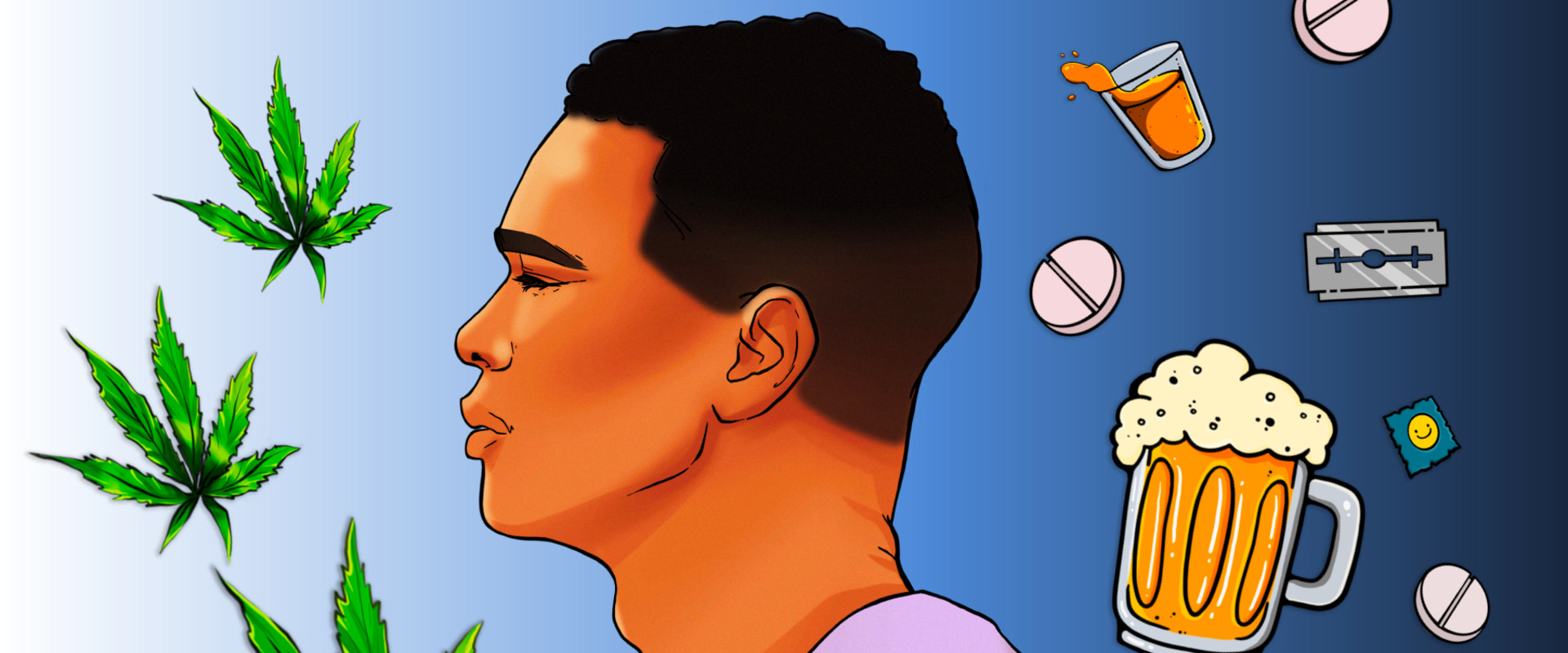
The term sober has evolved significantly beyond its traditional definition, which primarily refers to the state of being free from the influence of alcohol or drugs. In contemporary slang, however, sober encompasses a broader range of meanings that reflect various emotional and social contexts. Understanding these nuances is essential for grasping how language adapts to cultural shifts and societal changes. In casual conversations, sober can imply a sense of seriousness or a lack of frivolity. For instance, when someone describes a situation as sober, they might be indicating that it is devoid of lightheartedness or humor, often highlighting the gravity of the circumstances.
This usage can be particularly relevant in discussions surrounding sensitive topics, where a more serious tone is warranted. Moreover, the slang interpretation of sober can also reflect emotional states. It may describe someone who appears calm and collected, perhaps even melancholic, suggesting a depth of feeling that contrasts with more carefree attitudes. This duality in meaning illustrates how language can convey complex emotions and social dynamics, making it a rich area for exploration. As we delve deeper into the various contexts in which sober is used as slang, we will uncover its implications in popular culture, social interactions, and even mental health discussions. By examining these facets, we can better appreciate how this seemingly simple word carries significant weight in modern vernacular.
The Traditional Definition of Sober
The term sober has its roots in the Latin word soberanus, which translates to "not intoxicated" or "clear-headed." Traditionally, the definition of sober extends beyond merely the absence of alcohol or drugs; it encompasses a state of mental clarity and emotional stability.In essence, being sober means having full control over one’s faculties, allowing for rational thought and sound judgment. In many cultures, sobriety is associated with self-discipline and responsibility. It signifies a lifestyle choice that prioritizes health and well-being over indulgence. The concept of sobriety is often linked to recovery from addiction, where individuals strive to maintain a sober life as part of their healing journey. This commitment to sobriety can be seen as a profound act of self-control, reflecting an individual’s ability to resist temptations that may lead to substance abuse. Moreover, the traditional meaning of sober also implies a certain seriousness or gravity in demeanor.
When someone is described as sober, it can suggest that they are not only free from intoxication but also engaged in serious contemplation or discussion. This aspect of the term highlights its versatility in language, as it can be applied in various contexts beyond substance use. Understanding the traditional definition of sober is crucial for grasping its slang usage. In contemporary vernacular, the term has evolved to encompass a broader range of meanings, often reflecting emotional states or attitudes. However, at its core, the essence of sobriety remains tied to clarity, self-control, and a commitment to living life without the influence of substances. In summary, the traditional definition of sober serves as a foundation for understanding its various applications in modern slang.
It emphasizes not only the absence of intoxication but also the importance of mental clarity and emotional stability in leading a fulfilling life.
Sober in Modern Slang: A Cultural Perspective
The term sober has undergone a significant transformation in modern slang, reflecting broader cultural shifts and the evolving landscape of communication. Traditionally associated with abstaining from alcohol or drugs, the word has found new life in various contexts, particularly among younger generations. In contemporary youth culture, sober often transcends its literal meaning. It can describe a state of mind that emphasizes clarity, focus, and emotional stability. For instance, when someone refers to themselves as "sober," they might be expressing a desire to engage with life more authentically, free from the distractions of substance use or even the chaos of social media. Social media platforms have played a pivotal role in reshaping the connotation of sober.Influencers and content creators frequently use the term to promote wellness and mindfulness. Hashtags like #SoberLiving or #SoberCurious have gained traction, encouraging discussions around sobriety not just as an absence of substances but as a lifestyle choice that fosters mental health and personal growth. Moreover, in music and popular culture, artists often explore themes of sobriety in their lyrics. Songs that discuss being "sober" can convey messages of resilience and self-discovery. For example, many musicians share their journeys through addiction and recovery, using their platforms to advocate for a sober lifestyle while also normalizing conversations about mental health struggles. In addition to its positive connotations, sober can also carry a more serious tone in certain contexts.
In discussions about mental health or emotional well-being, being described as "sober" may imply a need for introspection or a recognition of life's challenges without the veil of substances. This duality highlights how language evolves to capture complex human experiences. Ultimately, the modern slang usage of sober reflects a cultural shift towards greater awareness and acceptance of mental health issues. As society continues to embrace conversations around wellness and authenticity, the term will likely evolve further, embodying new meanings that resonate with future generations.
Different Contexts of Sober in Slang
The term sober has evolved significantly in contemporary slang, taking on various meanings depending on the context in which it is used. While its primary definition relates to the absence of alcohol or drugs, its implications can vary widely in social interactions, relationships, and discussions surrounding mental health. In social settings, being described as sober can imply a state of clarity and composure.For instance, when someone says they are feeling sober at a party, it may suggest that they are not under the influence of substances and are able to engage meaningfully with others. This usage highlights a contrast between those who are intoxicated and those who maintain a clear mind, often leading to deeper conversations and more authentic connections. In relationships, the term can take on a more nuanced meaning. When someone refers to their partner as sober, it might indicate that the individual is emotionally stable and grounded. This usage reflects a sense of maturity and responsibility, suggesting that the person is capable of handling relationship challenges without resorting to escapism through substances.
In this context, sobriety becomes synonymous with emotional intelligence and resilience. Moreover, in discussions about mental health, sober can signify a state of being free from emotional turmoil or distress. For example, someone might describe themselves as sober after overcoming a period of anxiety or depression. Here, the term transcends its traditional association with substance use and instead emphasizes mental clarity and well-being. Additionally, variations of the term have emerged in different subcultures. In some circles, being "sober" might refer to a lifestyle choice that embraces mindfulness and self-awareness rather than merely abstaining from drugs or alcohol.
This broader interpretation encourages individuals to seek balance in their lives and prioritize mental health. In conclusion, the slang usage of sober extends far beyond its conventional meaning. It encapsulates a range of interpretations that reflect clarity in social situations, emotional stability in relationships, and mental well-being in personal discussions. Understanding these varied contexts can enhance our appreciation for the term and its significance in modern language.
'Sober' vs. Other Slang Terms: A Comparative Analysis
The term sober is often used in various contexts, but it primarily refers to a state of being free from intoxication or the effects of drugs.However, in the realm of slang, it can take on additional meanings and nuances that differentiate it from other related terms. Understanding these distinctions can provide deeper insights into social interactions and cultural references. One common slang term that contrasts with sober is lit. When someone describes a party or event as lit, they are indicating that it is lively, exciting, and often fueled by alcohol or drugs. This term embodies a sense of euphoria and celebration, which stands in stark contrast to the concept of sobriety.
While sober implies restraint and clarity, lit suggests indulgence and revelry.
Another term worth comparing is wasted. This slang refers to a state of extreme intoxication, where an individual has lost control over their faculties due to excessive consumption of alcohol or drugs. In this context, wasted highlights the opposite end of the spectrum from sober , emphasizing a lack of self-control and awareness.
Buzzed
is yet another term that sits between sober and wasted. It describes a mild state of intoxication where an individual feels relaxed and slightly euphoric but still retains enough clarity to function normally.
This term reflects a more casual approach to drinking, often used in social settings where moderation is key. In addition to these terms, there are phrases like clean and in recovery , which are often used within communities focused on sobriety. Being clean typically refers to abstaining from drugs or alcohol altogether, while being in recovery indicates an ongoing process of healing from addiction. These terms carry a weight of seriousness and commitment that contrasts sharply with the more carefree connotations of terms like wasted or lit . The landscape of slang surrounding sobriety is rich and varied, reflecting different attitudes towards alcohol and drug use. By understanding these terms—sober , wasted , lit , and others—individuals can navigate social situations with greater awareness and sensitivity to the implications behind each word.
'Sober' in Recovery and Support Communities
The term sober carries profound significance within recovery and support communities, serving as a cornerstone in discussions surrounding addiction and the journey toward healing.In these contexts, being sober is not merely the absence of substance use; it embodies a state of mental clarity, emotional stability, and a commitment to personal growth. For many individuals in recovery, the concept of sobriety transcends the physical act of abstaining from drugs or alcohol. It represents a holistic approach to life that includes emotional and psychological well-being. This broader understanding of sobriety is crucial in support groups, where members often share their experiences and challenges. The language used in these settings is intentionally crafted to foster a sense of community and understanding.
The Role of Support Groups
Support groups such as Alcoholics Anonymous (AA) or Narcotics Anonymous (NA) emphasize the importance of sobriety as a shared goal among members.These groups provide a safe space for individuals to discuss their struggles and triumphs, reinforcing the idea that sobriety is a collective journey. Members often use the term sober to describe not only their current state but also their aspirations for the future.
- Accountability: Being part of a support group helps individuals stay accountable to their sobriety goals. Regular meetings and check-ins encourage members to remain committed to their recovery.
- Shared Language: The use of specific terminology related to sobriety fosters a sense of belonging. Phrases like "one day at a time" or "living sober" resonate deeply within these communities.
- Encouragement: Hearing others share their stories of maintaining sobriety can inspire hope and motivation, reinforcing the belief that recovery is possible.
Words like clean, recovery, and wellness are frequently used to describe the journey toward a fulfilling life free from addiction. This lexicon not only helps individuals articulate their experiences but also serves as a reminder of the progress they have made. In conclusion, the term sober is much more than a descriptor of abstinence; it is a powerful symbol of hope, transformation, and community within recovery circles. Understanding its significance can enhance conversations about addiction and support, ultimately fostering a more compassionate approach to those on the path to recovery.
'Sober' in Popular Media and Entertainment
The term sober has permeated popular media and entertainment, often serving as a lens through which societal attitudes towards addiction, recovery, and emotional well-being are explored. In movies, television shows, and music, the portrayal of sobriety can significantly shape public perception and understanding of what it means to be sober. In film, characters who struggle with addiction frequently undergo transformative journeys towards sobriety.For instance, in the critically acclaimed movie Leaving Las Vegas, the protagonist's battle with alcoholism is depicted with raw honesty, showcasing both the depths of despair and the fleeting moments of clarity that come with sobriety. Such narratives not only highlight the challenges of overcoming addiction but also emphasize the importance of support systems and personal resolve. Television series like Mom and Breaking Bad further illustrate the complexities surrounding sobriety. In Mom, the main character's journey through recovery is portrayed with humor and heart, demonstrating that sobriety is not just about abstaining from substances but also about rebuilding relationships and finding joy in life again. Meanwhile, Breaking Bad presents a darker view of addiction, where the consequences of substance abuse ripple through families and communities, ultimately leading to a sobering reality for all involved. Music also plays a pivotal role in shaping perceptions of sobriety.
Many artists use their platforms to discuss their struggles with addiction and the journey to sobriety. Songs like Recovery by Eminem or Sober by Tool resonate deeply with listeners who may be facing similar battles. These tracks often convey messages of hope and resilience, illustrating that while the path to sobriety can be fraught with challenges, it is also filled with opportunities for growth and self-discovery. The influence of these portrayals extends beyond entertainment; they can foster empathy and understanding among audiences. When viewers or listeners see characters or artists openly discussing their experiences with sobriety, it can demystify the process and encourage those struggling with addiction to seek help.
Furthermore, these representations can challenge stereotypes associated with addiction, promoting a more nuanced understanding of what it means to be sober in today’s society. In conclusion, the depiction of sober in popular media serves as a powerful tool for shaping public discourse around addiction and recovery. By presenting diverse narratives that encompass both struggles and triumphs, media can play a crucial role in fostering a culture of understanding and support for those on their journey to sobriety.
'Sober' as a Lifestyle Choice: Perspectives and Opinions
The concept of sober as a lifestyle choice has gained significant traction in recent years, particularly as society becomes more aware of the impacts of alcohol and substance use. For many, choosing sobriety is not merely about abstaining from substances; it represents a profound shift in how individuals approach their lives, relationships, and personal well-being. Adopting a sober lifestyle can stem from various motivations. Some individuals may have experienced negative consequences from substance use, prompting them to seek a healthier path.Others might choose sobriety as a means of self-improvement, aiming to enhance their mental clarity, emotional stability, and overall quality of life. This decision often leads to a deeper understanding of oneself and fosters personal growth.
Perspectives on Sobriety
Opinions on sobriety can vary widely. For some, it is viewed as a necessary step towards recovery from addiction. These individuals often participate in support groups or recovery programs that emphasize the importance of maintaining sobriety for long-term health.In contrast, others may see sobriety as an empowering choice that allows them to reclaim control over their lives without the influence of substances. Moreover, the cultural perception of sobriety is evolving. In many social circles, being sober is increasingly celebrated rather than stigmatized. Events like sober parties and alcohol-free festivals are becoming more common, providing spaces where individuals can enjoy social interactions without the pressure to drink. This shift reflects a broader acceptance of diverse lifestyles and encourages people to explore their identities beyond substance use.
The Societal Impact of Sober Living
The implications of choosing a sober lifestyle extend beyond individual experiences; they also resonate within communities.A society that embraces sobriety can foster healthier environments where individuals support one another in their journeys. This collective approach can lead to reduced rates of substance abuse and its associated problems, such as crime and health issues. Furthermore, the rise of sober living communities highlights the importance of support systems in maintaining sobriety. These communities provide safe spaces for individuals to connect with others who share similar goals and challenges. By fostering relationships built on mutual understanding and encouragement, sober living environments can significantly enhance the chances of long-term success in maintaining sobriety. In conclusion, the choice to live sober is multifaceted and deeply personal.
It encompasses various perspectives that reflect individual motivations and societal changes. As more people embrace this lifestyle, the conversation around sobriety continues to evolve, paving the way for greater acceptance and understanding within our communities.
'Sober' FAQs: Common Questions Answered
The term sober is often associated with the absence of alcohol or drugs in a person's system, but its implications extend far beyond mere abstinence. Understanding what it means to be sober can help clarify its usage in various contexts, especially in slang.What does sober mean?
At its core, being sober refers to a state of clarity and lucidity, free from the influence of intoxicants. However, in a broader sense, it can also imply a level of seriousness or a lack of frivolity.
For instance, when someone describes a conversation as "sober," they may be indicating that it is earnest and devoid of lightheartedness.
Is sober a positive term?
Generally, the term sober carries a positive connotation, particularly in contexts related to recovery and personal growth. For individuals overcoming addiction, achieving sobriety is often viewed as a significant milestone that reflects strength and resilience. In social settings, being sober can also denote a sense of responsibility and self-control, which many people admire.
However, the term can have negative undertones when used to describe someone as overly serious or lacking in fun. In this context, calling someone "sober" might imply that they are too rigid or unable to enjoy life’s lighter moments.
How is sober used in slang?
In contemporary slang, sober can take on various meanings depending on the context.
For example:
- Sober vibes: This phrase often refers to an atmosphere that is calm and free from chaos or intoxication.
- Sober up: This expression is commonly used to suggest that someone needs to regain their composure or clarity after being under the influence.
- Sober thoughts: This phrase indicates serious reflections or considerations that are not clouded by emotions or substances.
Conclusion: The Multifaceted Meaning of Sober in Slang
In summary, the term sober extends far beyond its traditional definition of abstaining from alcohol or drugs. In contemporary slang, it embodies a range of meanings that reflect emotional states, social dynamics, and personal experiences. From describing someone who is serious or composed to indicating a sense of clarity and focus, the word has evolved to capture various nuances in everyday conversation. Understanding the multifaceted nature of sober is crucial in today’s society.As language continues to evolve, so do the implications of words we use. Recognizing that sober can signify not just a lack of intoxication but also a state of emotional balance or seriousness allows for deeper communication and connection among individuals. This understanding is particularly important in contexts such as recovery communities, where the term carries significant weight and can influence discussions about sobriety and personal growth. Moreover, the slang usage of sober can serve as a cultural touchstone, reflecting societal attitudes towards mental health, substance use, and emotional well-being. For instance, when someone describes themselves as feeling sober in a metaphorical sense, it may indicate a desire for clarity amidst chaos or a rejection of superficiality in social interactions. In conclusion, the slang term sober encapsulates a rich tapestry of meanings that resonate across various contexts.
Whether used to describe a state of mind or an emotional condition, it highlights the importance of being aware of how language shapes our perceptions and interactions. As we navigate conversations in our daily lives, embracing the complexity of terms like sober can foster greater empathy and understanding among individuals from all walks of life.