Understanding Sobriety: Can Sober Alcoholics Drink Again?
Explore the complexities of sobriety and the risks of drinking again for sober alcoholics. Learn about Alcohol Use Disorder and recovery.
Betty Midget14 min read
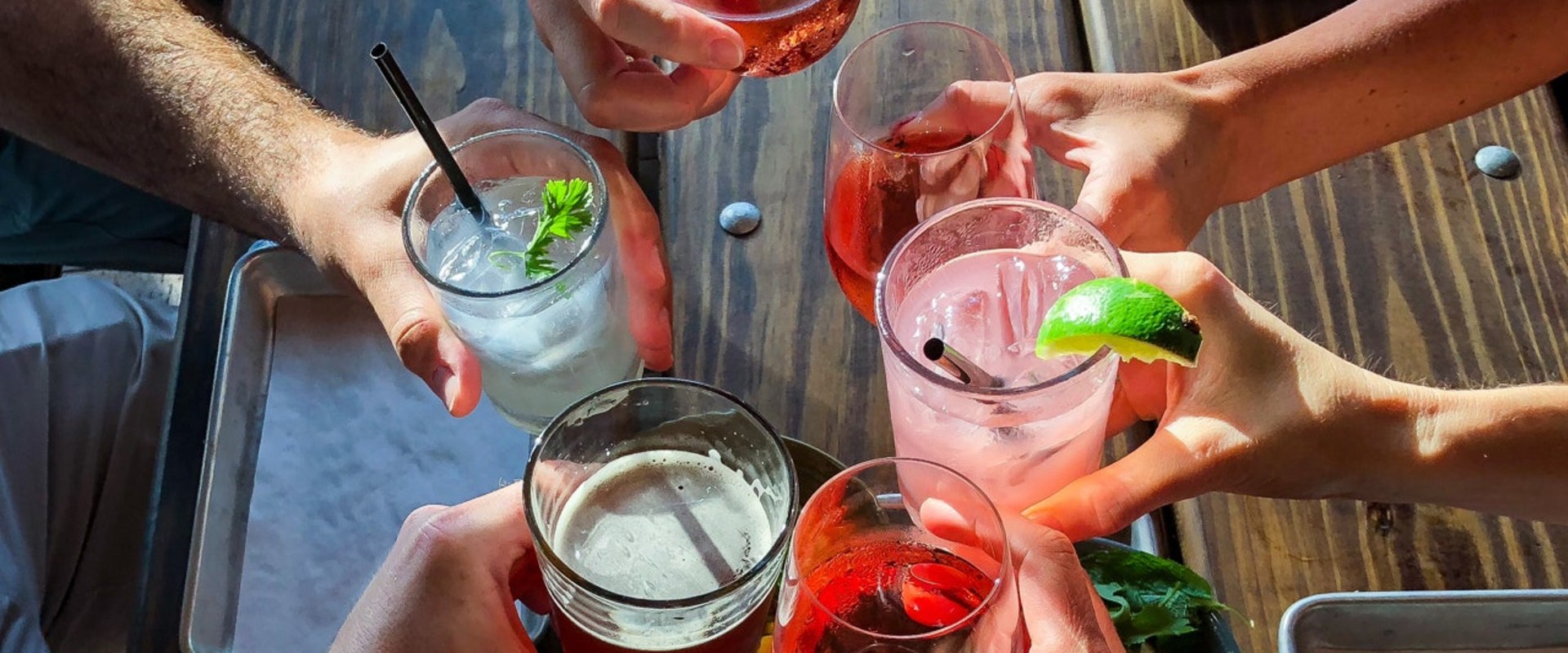
The journey of sobriety is a profound and often challenging path that many individuals must navigate after struggling with alcoholism. For those who identify as sober alcoholics, the decision to abstain from alcohol is not merely a choice but a commitment to a healthier, more fulfilling life. This journey is marked by significant personal growth, self-discovery, and the development of coping mechanisms that help individuals manage their lives without the crutch of alcohol. However, the road to recovery is fraught with obstacles, and the question of whether one can ever drink again looms large in the minds of many. Understanding the complexities of sobriety involves recognizing the nature of alcohol recovery.
It is not just about stopping drinking; it encompasses a holistic approach to mental, emotional, and physical well-being. Many recovering alcoholics face temptations and triggers that can lead them to question their resolve. The allure of social drinking or the belief that they can control their consumption often leads to dangerous misconceptions. The reality is that for most individuals with a history of alcohol use disorder, even a single drink can set off a cascade of cravings and behaviors that jeopardize their hard-earned sobriety. As we delve deeper into this topic, it becomes essential to explore the psychological and physiological aspects of addiction.
The brain's chemistry changes significantly due to prolonged alcohol use, creating a dependency that is not easily reversed. This understanding lays the groundwork for discussing whether sober alcoholics can safely reintroduce alcohol into their lives. By examining personal stories, expert opinions, and scientific research, we aim to provide clarity on this critical issue and empower those in recovery to make informed decisions about their sobriety journey.
Defining Alcohol Use Disorder (AUD)
Alcohol Use Disorder (AUD) is a complex condition characterized by an inability to control or stop drinking despite the negative consequences it brings to an individual's life. Understanding AUD is essential for anyone discussing the implications of returning to alcohol after a period of sobriety.Defining Alcohol Use Disorder
AUD is defined by the Diagnostic and Statistical Manual of Mental Disorders (DSM-5) as a problematic pattern of alcohol use leading to significant impairment or distress.
This disorder can manifest in various ways, and its severity can range from mild to severe, depending on the number of criteria met. The DSM-5 outlines several key symptoms that help in diagnosing AUD:
- Increased Tolerance: Needing more alcohol to achieve the desired effect or experiencing diminished effects with continued use of the same amount.
- Withdrawal Symptoms: Experiencing physical or psychological symptoms when not drinking, such as anxiety, tremors, or nausea.
- Unsuccessful Attempts to Cut Down: Wanting to reduce alcohol consumption but being unable to do so.
- Neglecting Responsibilities: Failing to fulfill obligations at work, school, or home due to drinking.
- Continued Use Despite Problems: Persisting in drinking even when it causes social, interpersonal, or legal issues.
Understanding the Implications
Recognizing the signs and symptoms of AUD is crucial for understanding why returning to drinking after achieving sobriety can be perilous. For individuals with AUD, even a small amount of alcohol can trigger cravings and lead back to a pattern of excessive drinking.
This cycle not only jeopardizes their recovery but also poses significant risks to their overall well-being. In summary, Alcohol Use Disorder is a serious condition that requires comprehensive understanding and treatment. By grasping its definition and symptoms, individuals can better navigate their recovery journey and make informed decisions about their relationship with alcohol.
The Risks of Drinking Again
Returning to drinking after a period of sobriety poses significant risks for individuals recovering from alcohol use disorder (AUD). The journey to sobriety is often fraught with challenges, and the temptation to drink again can lead to devastating consequences. Understanding these risks is crucial for anyone considering reintroducing alcohol into their lives.Relapse Risks
One of the most pressing dangers of drinking again is the high likelihood of relapse.
Studies indicate that individuals who have previously struggled with alcoholism are at a greater risk of returning to problematic drinking behaviors. This is not merely a matter of willpower; it involves complex psychological and physiological factors. When an individual who has been sober begins to drink again, they may quickly find themselves unable to control their consumption, leading to a downward spiral back into addiction.
Alcohol Cravings
Another significant risk associated with drinking after a period of sobriety is the resurgence of alcohol cravings. For many recovering alcoholics, the mere act of consuming alcohol can trigger intense cravings that are difficult to manage.
These cravings can be overwhelming and may lead to compulsive drinking behavior, even after a long period of abstinence. The brain's reward system, which has been altered by previous alcohol use, can reactivate, making it challenging to resist the urge to drink.
Psychological and Physical Health Risks
The psychological impact of returning to drinking can be profound. Many individuals experience feelings of guilt, shame, and failure after relapsing, which can further exacerbate mental health issues such as anxiety and depression. Additionally, the physical health risks cannot be overlooked.
Alcohol consumption can lead to a range of health problems, including liver damage, cardiovascular issues, and increased susceptibility to various diseases. Moreover, returning to drinking can jeopardize relationships with family and friends who have supported the individual during their recovery journey. The trust that has been built over time can be shattered in an instant, leading to isolation and further emotional distress. In conclusion, while the idea of moderate drinking may seem appealing to some recovering alcoholics, the risks associated with reintroducing alcohol into their lives are substantial. It is essential for individuals in recovery to recognize these dangers and seek support from professionals or support groups if they find themselves contemplating drinking again.
The Myth of Controlled Drinking
The notion that individuals with a history of alcoholism can engage in controlled drinking is a pervasive myth that often leads to relapse and disappointment. Many recovering alcoholics may entertain the idea that they can return to social drinking after a period of sobriety, believing they have gained enough control over their urges.However, this belief is fundamentally flawed and can have dire consequences. One of the primary reasons why moderation in alcohol consumption is problematic for those with Alcohol Use Disorder (AUD) is the nature of addiction itself. Alcoholism alters brain chemistry, creating a dependency that makes it exceedingly difficult to consume alcohol in moderation. When an alcoholic takes even a single drink, it can trigger a cascade of cravings and compulsions that lead back to excessive drinking. Research indicates that most individuals with AUD cannot simply enjoy one or two drinks without spiraling back into old habits. The American Journal of Psychiatry highlights that the majority of people who attempt controlled drinking ultimately fail, often leading to a full-blown relapse.
This failure is not due to a lack of willpower but rather the physiological and psychological changes that occur in the brain as a result of chronic alcohol use. Moreover, the concept of moderation is often misunderstood. For many social drinkers, moderation means having a drink or two and stopping there. However, for someone with a history of alcoholism, this is rarely achievable. The Big Book of Alcoholics Anonymous emphasizes that alcoholics are not wired like normal drinkers; they experience what is known as the "craving phenomenon," which makes it nearly impossible to predict how much they will consume once they start. Additionally, the social pressures and triggers present in environments where alcohol is served can further complicate attempts at controlled drinking.
Situations that may seem innocuous to non-alcoholics can be fraught with temptation for someone in recovery. The risk of encountering old friends or familiar settings can reignite cravings and lead to impulsive decisions. In conclusion, while the idea of drinking in moderation may seem appealing, it is essential for those in recovery to recognize the inherent risks involved. The journey to sobriety requires total abstinence for most individuals with AUD, as even a small amount of alcohol can jeopardize years of hard work and commitment to a sober lifestyle.
Personal Stories and Case Studies
Personal stories and case studies provide invaluable insights into the complexities of sobriety and the challenges faced by individuals who have struggled with alcohol use disorder. These narratives often reveal the emotional and psychological battles that accompany the decision to drink again after a period of sobriety. One compelling case is that of Mark , a 35-year-old man who had been sober for three years after completing a rehabilitation program.Initially, Mark found great joy in his newfound sobriety, engaging in hobbies and building stronger relationships with his family. However, as time passed, he began to feel increasingly isolated from his friends who still drank socially. One evening, during a gathering, he decided to have just one beer. This seemingly harmless choice spiraled into a binge that lasted several weeks, ultimately leading him back to full-blown alcoholism.
Mark's story highlights how even a single drink can trigger a relapse, demonstrating the precarious nature of recovery. Another poignant example is Lisa , a mother of two who had been sober for five years. Lisa was active in her local recovery community and often shared her story to help others. However, she faced significant stress when her eldest child was diagnosed with a chronic illness. In a moment of weakness, she thought that having a glass of wine would help her cope with the overwhelming emotions.
Unfortunately, this decision led her down a dark path, where she found herself drinking daily to manage her anxiety. Lisa's experience underscores the importance of having coping mechanisms in place and the potential dangers of using alcohol as an escape. These stories serve as cautionary tales for those in recovery. They illustrate that while some may believe they can return to moderate drinking after achieving sobriety, the reality is often much more complicated. The cravings and psychological triggers associated with alcohol can be incredibly powerful, making it difficult for individuals to maintain their sobriety once they reintroduce alcohol into their lives. In conclusion, personal experiences like those of Mark and Lisa remind us that sobriety is not just about abstaining from alcohol; it is about understanding oneself and recognizing the potential risks involved in drinking again.
Each story reinforces the idea that total abstinence may be the safest path for those who have struggled with alcohol addiction.
Support Systems and Resources for Recovery
Recovery from alcohol addiction is a challenging journey, and having a robust support system can significantly enhance the chances of maintaining sobriety. Support systems for sober individuals encompass a variety of resources, including community groups, professional counseling, and online platforms that provide encouragement and guidance.Community Support Groups
- Alcoholics Anonymous (AA): One of the most well-known support groups, AA offers a 12-step program that encourages individuals to share their experiences and support one another in their recovery journey. Meetings are held regularly in various locations, providing a sense of community and accountability.
- SMART Recovery: This alternative to AA focuses on self-empowerment and cognitive-behavioral techniques. SMART Recovery meetings help individuals develop coping strategies and build motivation to stay sober.
- Women for Sobriety: Specifically designed for women, this organization provides support through a 13-step program that addresses the unique challenges women face in recovery.
Professional Help
- Counseling and Therapy: Engaging with a licensed therapist who specializes in addiction can provide personalized strategies for overcoming triggers and maintaining sobriety.
Therapy can also address underlying issues that may contribute to alcohol use.
- Rehabilitation Programs: For those needing more intensive support, inpatient or outpatient rehabilitation programs offer structured environments where individuals can focus on recovery while receiving medical care and counseling.
Online Resources
- Support Forums: Websites like SoberRecovery and Reddit’s r/stopdrinking provide platforms for individuals to share their stories, seek advice, and connect with others who understand their struggles.
- Mobile Apps: Various apps are available to help track sobriety progress, set goals, and connect with support networks. These tools can be invaluable for those seeking daily motivation.
Coping Strategies for Maintaining Sobriety
Maintaining sobriety is a challenging journey that requires dedication, resilience, and effective coping strategies. Here are some practical tips to help you navigate the complexities of a sober lifestyle and resist the temptation to drink again.- Establish a Support Network: Surround yourself with individuals who understand your journey.
This can include friends, family, or support groups such as Alcoholics Anonymous (AA). Sharing your experiences and challenges with others can provide encouragement and accountability.
- Identify Triggers: Recognize situations, emotions, or environments that may trigger cravings for alcohol. Once identified, develop strategies to avoid or cope with these triggers. For instance, if social gatherings are challenging, consider attending events where alcohol is not the focus.
- Develop Healthy Routines: Create a daily routine that promotes well-being.
Incorporate activities that bring you joy and fulfillment, such as exercise, meditation, or hobbies. A structured day can help reduce idle time and minimize the risk of relapse.
- Practice Mindfulness: Engage in mindfulness techniques to stay present and aware of your thoughts and feelings. Practices like meditation or deep-breathing exercises can help you manage stress and cravings effectively.
- Set Clear Goals: Establish short-term and long-term goals for your sobriety journey. These goals can provide motivation and a sense of purpose.
Celebrate your achievements, no matter how small, to reinforce positive behavior.
- Seek Professional Help: If you find it difficult to maintain sobriety on your own, consider seeking help from a therapist or counselor specializing in addiction recovery. Professional guidance can provide valuable insights and coping strategies tailored to your needs.
- Engage in Sober Activities: Explore new interests that do not involve alcohol. Join clubs, take classes, or volunteer in your community. Engaging in fulfilling activities can help you build a new identity centered around sobriety.
- Stay Informed: Educate yourself about the effects of alcohol on the body and mind.
Understanding the consequences of drinking can reinforce your commitment to sobriety and help you make informed decisions.
FAQs About Sober Living and Alcohol Consumption
When it comes to sobriety, many individuals have questions about the implications of alcohol consumption. Here are some frequently asked questions that can help clarify common misconceptions about sober living and the potential for drinking again.Can I drink alcohol if I am sober?
The short answer is no. For individuals who have struggled with alcohol use disorder (AUD), drinking alcohol—even in moderation—can lead to a relapse.Alcoholism is characterized by a loss of control over drinking, and even a small amount can trigger cravings and old habits. The consensus among addiction specialists is that total abstinence is the safest path for those in recovery.
What happens if a sober person drinks again?
Returning to drinking after a period of sobriety can have serious consequences. Many people find that their tolerance has decreased, making them more susceptible to the effects of alcohol. This can lead to binge drinking or a rapid return to previous patterns of abuse.Additionally, the emotional and psychological toll of relapse can be significant, often leading to feelings of guilt and shame.
Is it possible to drink in moderation after being sober?
While some may believe they can control their drinking after achieving sobriety, research shows that this is rarely successful for those with a history of alcoholism. The brain's chemistry changes with prolonged alcohol use, making it difficult for recovering individuals to drink moderately without slipping back into old habits.What are the risks of drinking after sobriety?
- Increased cravings: Alcohol can reignite cravings that were previously managed during sobriety.
- Emotional triggers: Social situations involving alcohol can trigger emotional responses that lead to relapse.
- Physical health risks: Drinking again can negatively impact physical health, especially if there are underlying health issues related to previous alcohol use.
How can I maintain my sobriety?
Maintaining sobriety involves developing healthy coping mechanisms and support systems. Engaging in activities that promote well-being, such as exercise, hobbies, and therapy, can help reinforce a sober lifestyle. Additionally, participating in support groups like Alcoholics Anonymous (AA) provides community and accountability. Ultimately, understanding the risks associated with drinking after achieving sobriety is crucial for long-term recovery.Making informed choices about alcohol consumption can significantly impact one's journey toward a healthier, sober life.
Conclusion: The Path Forward in Sobriety
In conclusion, the journey of sobriety is a profound and often challenging path that requires unwavering commitment and understanding. For individuals recovering from alcoholism, the question of whether they can drink again is not merely a casual inquiry; it is a critical consideration that can significantly impact their recovery journey. Throughout this discussion, we have emphasized the importance of total abstinence for those with alcohol use disorders. The reality is that alcoholics are not equipped to consume alcohol in moderation. The physiological and psychological changes that occur due to alcoholism create a unique set of challenges that make even a single drink potentially dangerous.As highlighted, the cravings and compulsions associated with alcohol addiction can resurface quickly, leading to a slippery slope back into old habits. Moreover, the stories of individuals who claim to have successfully returned to moderate drinking are often exceptions rather than the rule. These narratives can be misleading and may encourage others in recovery to take unnecessary risks. It is crucial for those in recovery to recognize that their relationship with alcohol is fundamentally different from that of social drinkers. To maintain long-term sobriety, individuals must focus on building a fulfilling life without alcohol. This includes engaging in healthy activities, nurturing relationships, and seeking support from peers and professionals.
Recovery programs and support groups play an essential role in providing the necessary tools and community for individuals striving to stay sober. Ultimately, the path forward in sobriety is about making informed choices that prioritize health and well-being. By embracing total abstinence and understanding the complexities of their addiction, individuals can pave the way for a brighter future free from the constraints of alcohol. The commitment to sobriety is not just about avoiding alcohol; it’s about fostering a lifestyle that promotes growth, resilience, and joy.